AI and Doctors Should Drive Treatment, Not Insurers
Digital health records and AI diagnostics could shift medical decision-making back to clinicians, away from insurance companies.
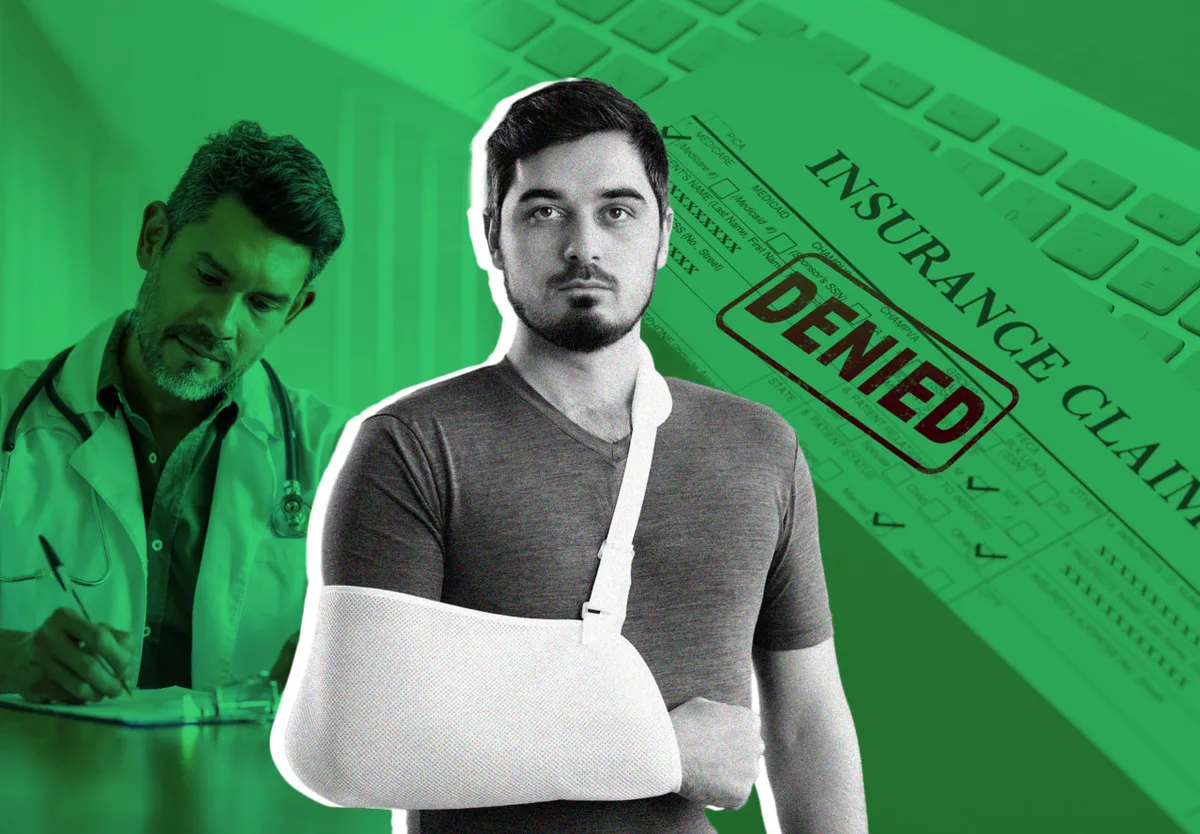
Your health insurer is not your doctor. Never was. But right now, insurers hold enormous sway over what treatments you actually get — and that's a problem worth getting loud about.
The fix, according to a growing argument in healthcare circles, is a combination of comprehensive digital health records and AI-driven diagnostic tools. When a clinician can pull up your full medical history in seconds and cross-reference it against the latest diagnostic AI, they're making decisions based on *you* — not a coverage policy written by a committee.
Read more SEC's 'Crypto Mom' Hester Peirce Exits Post on Oct. 2 →
That's the core trade here. Better data infrastructure means better clinical decisions. It also means the bureaucratic gatekeeping that insurers currently exercise — prior authorizations, coverage denials, treatment substitutions — loses its grip. Your doctor gets the wheel back.
The AI angle isn't just hype. When diagnostic tools have access to a patient's complete longitudinal health record, pattern recognition improves dramatically. Conditions get caught earlier. Treatment plans get personalized. Outcomes get better. That's not a pitch deck — that's the logical result of giving clinicians the right tools.
The bottom line: the current system lets payers make clinical calls they're not qualified to make. Digital records plus AI rebalances that equation in favor of the people who went to medical school. Continue reading at MarketWatch.com