China Is Renting Nvidia's Best Chips Abroad—DC Wants It Stopped
Chinese AI firms are sidestepping US chip export bans by tapping Nvidia compute power through overseas cloud servers. Congress is moving to close the gap.
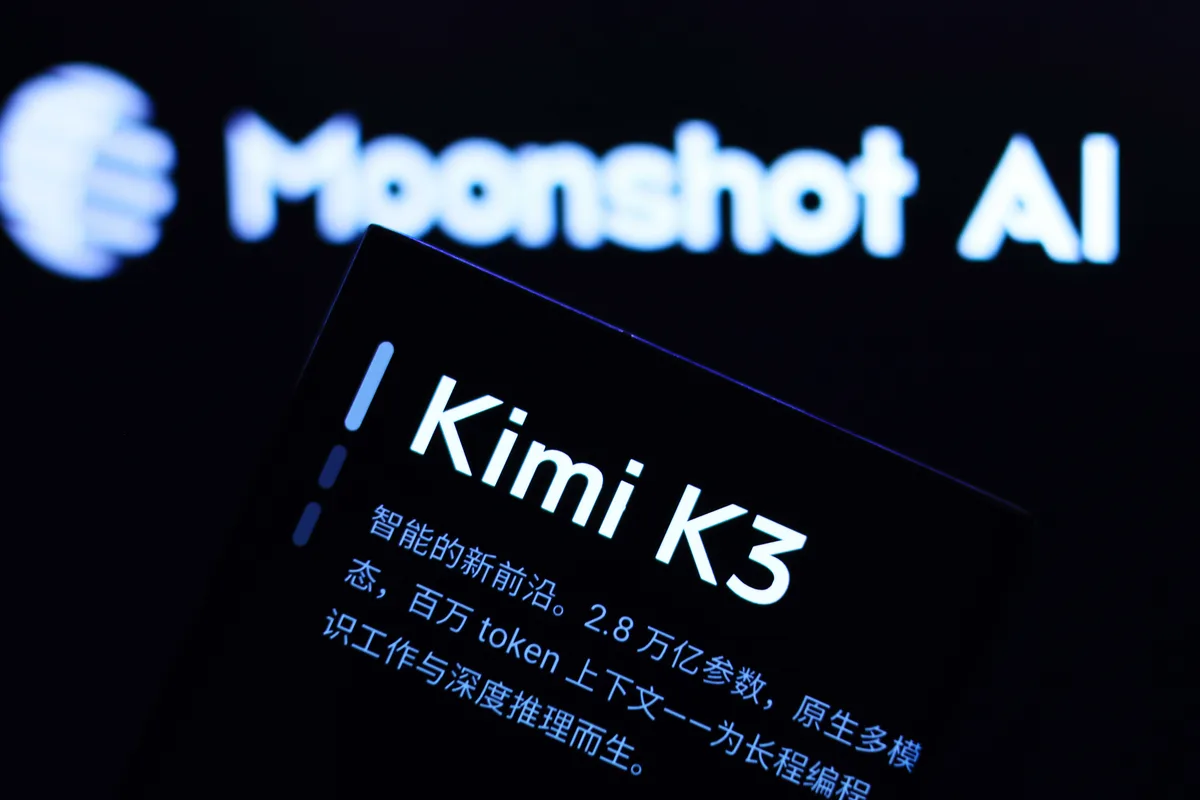
Here's the problem nobody wanted to admit: banning Nvidia's top chips from shipping to China doesn't matter if Chinese AI labs can just log into a server in Singapore or the Netherlands and run the same silicon remotely. That's exactly what's been happening, and US lawmakers are now scrambling to shut it down.
American export controls were built around physical hardware crossing borders. Cloud access was the blind spot. Chinese firms reportedly figured that out fast — renting high-end Nvidia compute power through foreign data centers to keep their AI development humming without ever touching a restricted chip directly. The loophole is real, and it's been getting used.
Read more Pakistan Army Chief Heads to Tehran Amid Regional Tensions →
Now Capitol Hill is paying attention. Legislators are reportedly weighing rules that would extend export-control logic to *cloud access itself* — meaning foreign entities could face restrictions not just on buying chips, but on remotely accessing them. That's a significant policy leap, and it won't be easy to enforce across dozens of countries and hundreds of cloud providers.
For traders, this has teeth. Any escalation in tech export restrictions tightens the regulatory risk around Nvidia's international revenue story. It also raises questions for cloud giants with overseas infrastructure — think about who operates those foreign data centers and what new compliance costs could look like. Watch this space closely; the rules of the AI arms race are being rewritten in real time.
Continue reading at US Top News and Analysis.