China's Currency War Isn't About Beating the Dollar
Beijing doesn't need the renminbi to dethrone the dollar. It's already winning by dismantling dollar dependency worldwide.
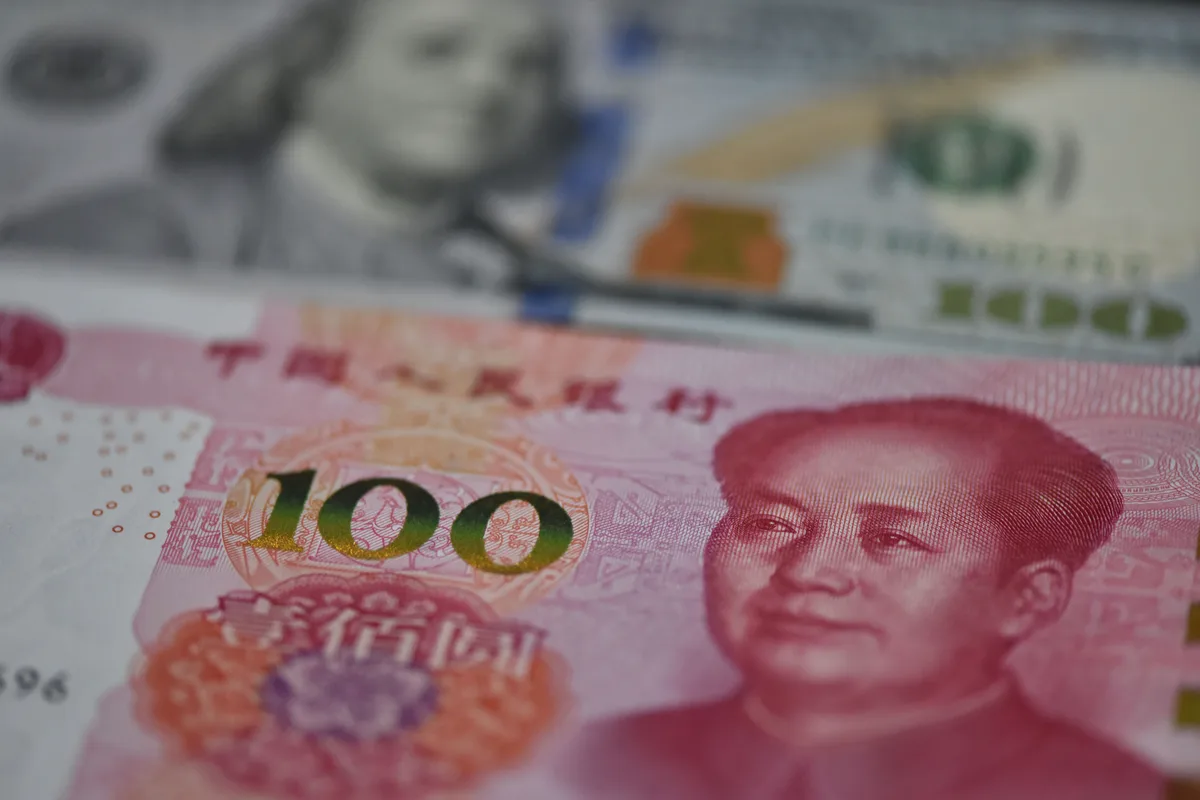
Forget the narrative about China waiting to crown the renminbi as the next global reserve currency. That's not the play. Beijing is running a smarter, quieter game — and it's already working.
The real strategy isn't replacement, it's erosion. China is systematically chipping away at the infrastructure that makes the dollar indispensable. Think bilateral trade agreements settled in yuan, expanded BRICS payment frameworks, and central bank swap lines that route entirely around the greenback. You don't have to beat the king to make the king weaker.
Read more BofA Keeps Apple Buy Rating, Sees AI Upgrade Cycle Ahead →
This distinction matters enormously for traders and investors watching currency markets. A world where dollar dominance is merely reduced — not ended — still reshapes capital flows, commodity pricing, and emerging-market dynamics in ways most portfolios aren't positioned for. The dollar can stay number one and still lose meaningful ground.
Washington's tendency to measure Beijing's success only by whether the renminbi tops reserve-currency rankings is exactly the blind spot China is exploiting. Every sanctions package the U.S. deploys accelerates the incentive for other nations to build dollar-free rails. China doesn't need to win the sprint. It just needs everyone else to start running a different race.
The takeaway for anyone with real money on the line: stop watching USD/CNY as the scoreboard. Watch dollar-invoiced global trade share, yuan swap usage, and how fast the Global South is diversifying its reserves. That's where this story is actually being written. Continue reading at US Top News and Analysis.