Colleges Now Accept Venmo for Tuition — Is It a Smart Move?
Some universities are opening up to Venmo payments for tuition. Here's what students and parents need to know before hitting send.
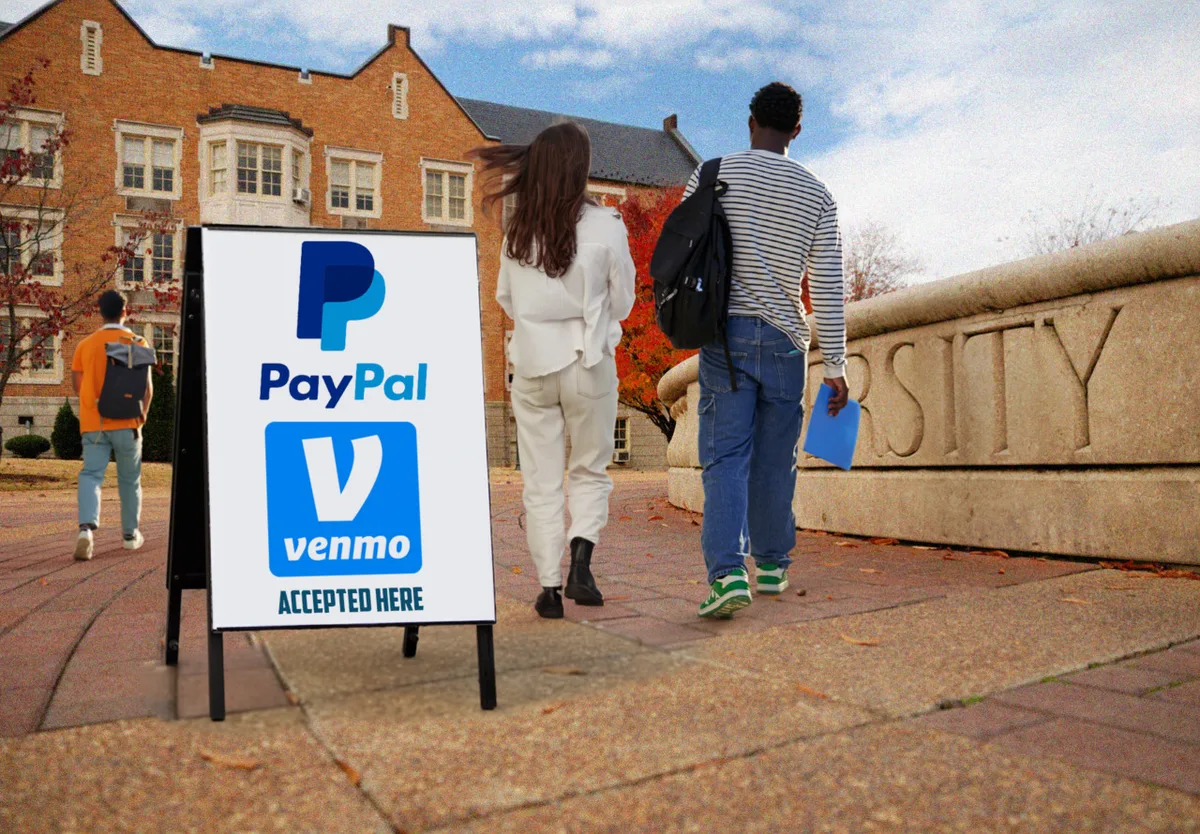
Sending tuition money is about to get a whole lot more casual. Some universities are now accepting Venmo as a legitimate payment method for college tuition, a shift driven by growing consumer demand for flexible, app-based spending options. That's a big deal when you're talking about payments that can run tens of thousands of dollars per semester.
On the surface, it sounds convenient. You already use Venmo to split dinner and pay the dog-sitter — why not your kid's $20,000 tuition bill? The appeal is real, especially for younger parents and students who live inside their phones. Universities are clearly reading the room and responding to pressure to modernize their payment infrastructure.
Read more Turning 70: One Retiree's Plan to Maximize the Decade Ahead →
But convenience doesn't automatically mean smart. Before you tap that blue button, you need to think hard about what you're actually doing. Venmo transactions move fast and offer limited dispute resolution compared to traditional payment methods like checks or bank transfers. A fat-finger moment on a five-figure payment is a nightmare you don't want to live through.
There's also the question of fees and account limits. Peer-to-peer apps weren't originally engineered for institutional-scale transactions, and depending on how a university structures the payment processing, you could be eating extra costs you didn't budget for. Always read the fine print before you pay tuition the same way you'd pay for a pizza.
Bottom line: the option existing doesn't mean you have to use it. Weigh the convenience factor against the risk profile. If your school accepts it and the terms are clean, maybe it makes sense for a portion of the bill. But for a payment this size, traditional methods still carry serious advantages. Continue reading at MarketWatch.com