Congress Moves to Ban a US Digital Dollar via Housing Law
A provision tucked inside housing legislation would block the Federal Reserve from issuing a retail CBDC to Americans.

A government-issued digital dollar could be effectively dead on arrival. Lawmakers have embedded a restriction on central bank digital currency inside a housing bill, and the ban is set to take effect tonight — a move that caught many in the crypto and traditional finance world off guard.
The provision targets what's known as a retail CBDC, meaning a digital dollar that everyday Americans could hold directly, essentially giving the government a programmable, trackable form of money. Critics of CBDCs have long argued the setup would hand Washington unprecedented surveillance power over personal spending. Supporters counter that a digital dollar could modernize payments and expand financial access.
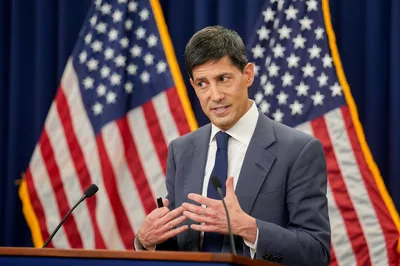
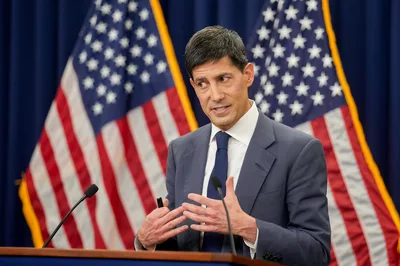
Read more Kevin Warsh Reveals Fed Task Force Picks, Including Andreessen →
For traders and crypto holders, this is a big deal. A US CBDC has often been framed as a potential competitor — or even threat — to decentralized assets like Bitcoin. Killing it via legislation removes one layer of uncertainty from the crypto market's regulatory backdrop, at least for now.
The tactic of burying major financial policy inside unrelated legislation is nothing new in Washington, but attaching a CBDC ban to a housing law is an unusually sharp maneuver. It signals that anti-CBDC sentiment has enough political weight to ride along on must-pass bills — a clear sign of where Congressional momentum sits heading into the next phase of US crypto and digital finance policy.
Continue reading at CoinDesk.