Crypto Clarity Push Stalls as Congress Heads on Recess
Lawmakers are leaving Washington without passing key crypto legislation, leaving traders in regulatory limbo heading into fall.
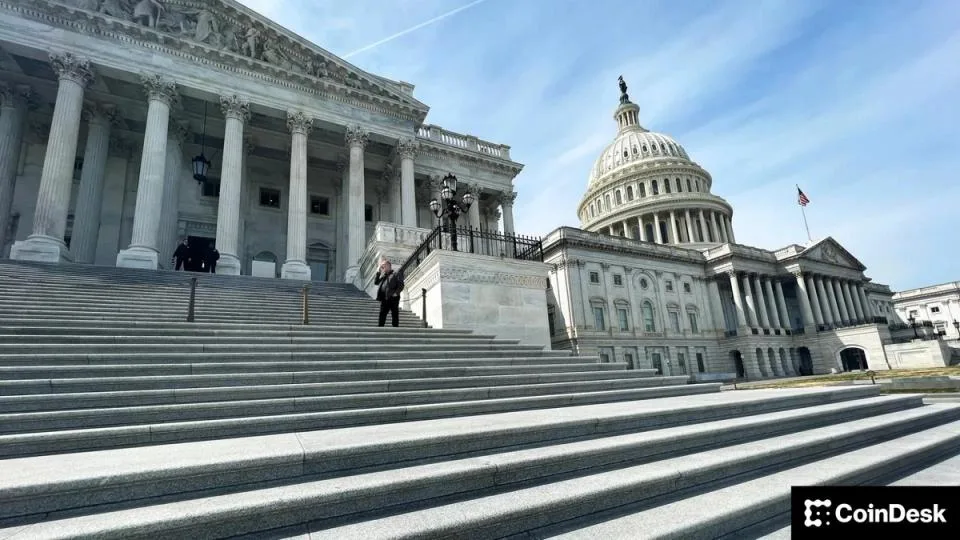
Congress is hitting pause on crypto regulation — again. As lawmakers scatter for summer recess, the industry is still waiting on the foundational rules that could define how digital assets trade, are taxed, and are overseen in the United States. That uncertainty isn't just frustrating. It's a market risk.
The push for crypto clarity has been building for months. Between stablecoin bills, market structure frameworks, and ongoing debates over whether tokens are securities or commodities, there's no shortage of proposals on the table. But proposals aren't law. And every week without a clear framework is a week exchanges, issuers, and institutional players operate in the gray.
Read more Macron Set to Visit Syria in Rare High-Level Diplomatic Move →
For retail traders, that gray zone cuts both ways. Regulatory ambiguity has historically suppressed institutional inflows — big money doesn't love undefined risk. But it's also kept some of the more aggressive enforcement actions on hold while Washington figures out who's actually in charge: the SEC, the CFTC, or some new body entirely.
The summer break doesn't mean nothing happens. Lobbying doesn't stop. Drafts get refined. And come fall, Congress will return to a docket where crypto legislation is competing with budget fights, election-year posturing, and everything else. Whether digital assets stay near the top of that list depends on how loud the industry — and voters — make themselves heard.
Continue reading at CoinDesk.