Democrats Push Bill to Block Foreign Money in US Elections
Raskin and Whitehouse target a Citizens United loophole letting foreign-owned firms fund campaigns. Here's what traders and voters need to know.
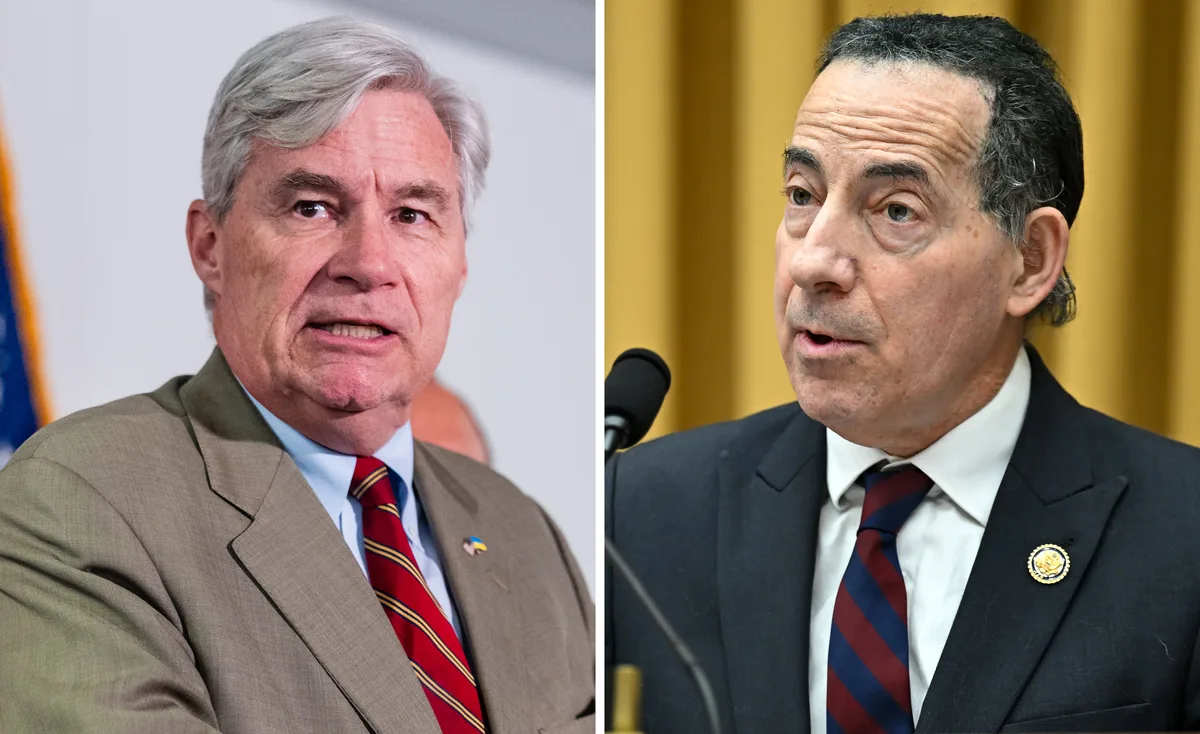
A pair of prominent Democrats are moving to close what they call a dangerous backdoor in American campaign finance law. Rep. Jamie Raskin of Maryland and Sen. Sheldon Whitehouse of Rhode Island have introduced legislation that would set strict foreign ownership thresholds for companies allowed to spend money on U.S. political campaigns. If a corporation has too much foreign ownership, it gets cut off — full stop.
This is a direct shot at a consequence of the landmark Citizens United ruling, which opened the door for corporations to pour cash into elections. Critics have long argued that the decision created a gap big enough for foreign interests to drive a truck through, funding American political races via domestic subsidiaries or partially foreign-owned companies. Raskin and Whitehouse are betting that threshold-based rules can plug that hole without requiring a full overturn of Citizens United.
Read more Vietnam Cracks Down on Unlicensed Crypto Trading With New Fines →
For anyone watching the markets and the policy landscape, this matters. Campaign finance rules shape which industries get favorable legislation, which regulations get loosened, and ultimately which sectors win or lose in Washington. Foreign money influencing those outcomes is a systemic risk that doesn't show up on a balance sheet — until it does.
The bill's path in a divided political environment won't be easy. But the proposal adds pressure to an already heated national debate about election integrity and corporate influence. Whether it advances or stalls, it signals that campaign finance reform is back on the legislative radar heading into the next election cycle.
Continue reading at US Top News and Analysis.