Global Banks Trial Tokenized Money in BIS Cross-Border Pilot
Major global banks are testing tokenized money for cross-border payments in a BIS-led pilot program worth $1 million.
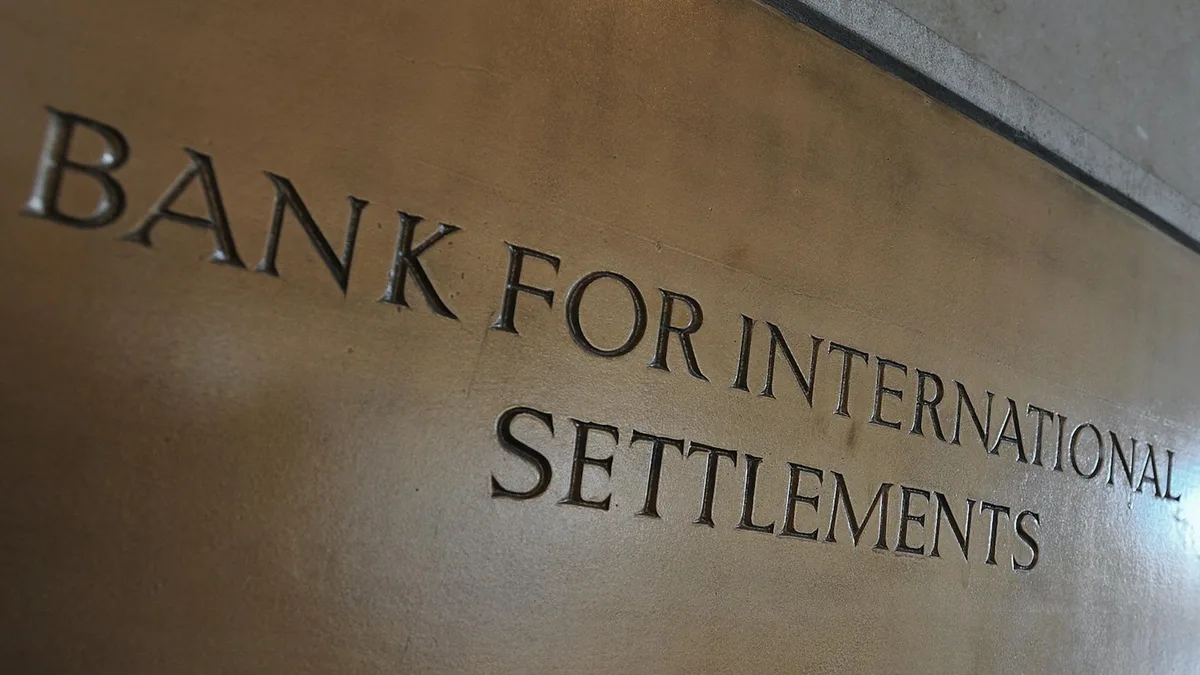
The Bank for International Settlements is running a $1 million pilot that puts tokenized money directly in the hands of major global banks — and the goal is to make cross-border payments faster, cheaper, and less of a headache. If you've ever watched an international wire drag on for days while fees pile up, you already know why this matters.
Tokenized money essentially converts traditional currency into a digital token that lives on a blockchain or distributed ledger. That means transactions can settle in near real-time without the usual chain of correspondent banks slowing everything down. For traders and institutions moving capital across borders, that's a structural upgrade worth paying attention to.
Read more Apple Earnings Test: AI, Tariffs, and Guidance in Focus →
The BIS has positioned itself as the central coordinator for this kind of experimentation, bringing multiple banks under one roof to stress-test whether tokenized settlements can actually hold up in real-world cross-border scenarios. A $1 million pilot isn't massive in banking terms, but it's a proving ground — the kind of controlled test that either opens the floodgates or reveals the cracks.
What makes this different from past blockchain-in-banking hype is the institutional weight behind it. When the BIS runs the experiment, central banks and regulators are watching closely. A successful outcome could accelerate the broader push toward tokenized finance, putting pressure on legacy payment rails that haven't meaningfully evolved in decades.
The tradeable angle here is clear: any momentum in tokenized payments is a tailwind for blockchain infrastructure plays and a headwind for traditional cross-border payment processors who rely on friction as a business model. Watch this space. Continue reading at CoinDesk.