Iran Signals Military Readiness While Keeping Door Open to Talks
Iran's parliamentary speaker blends war rhetoric with diplomatic overtures, keeping Strait of Hormuz tensions firmly on traders' radar.
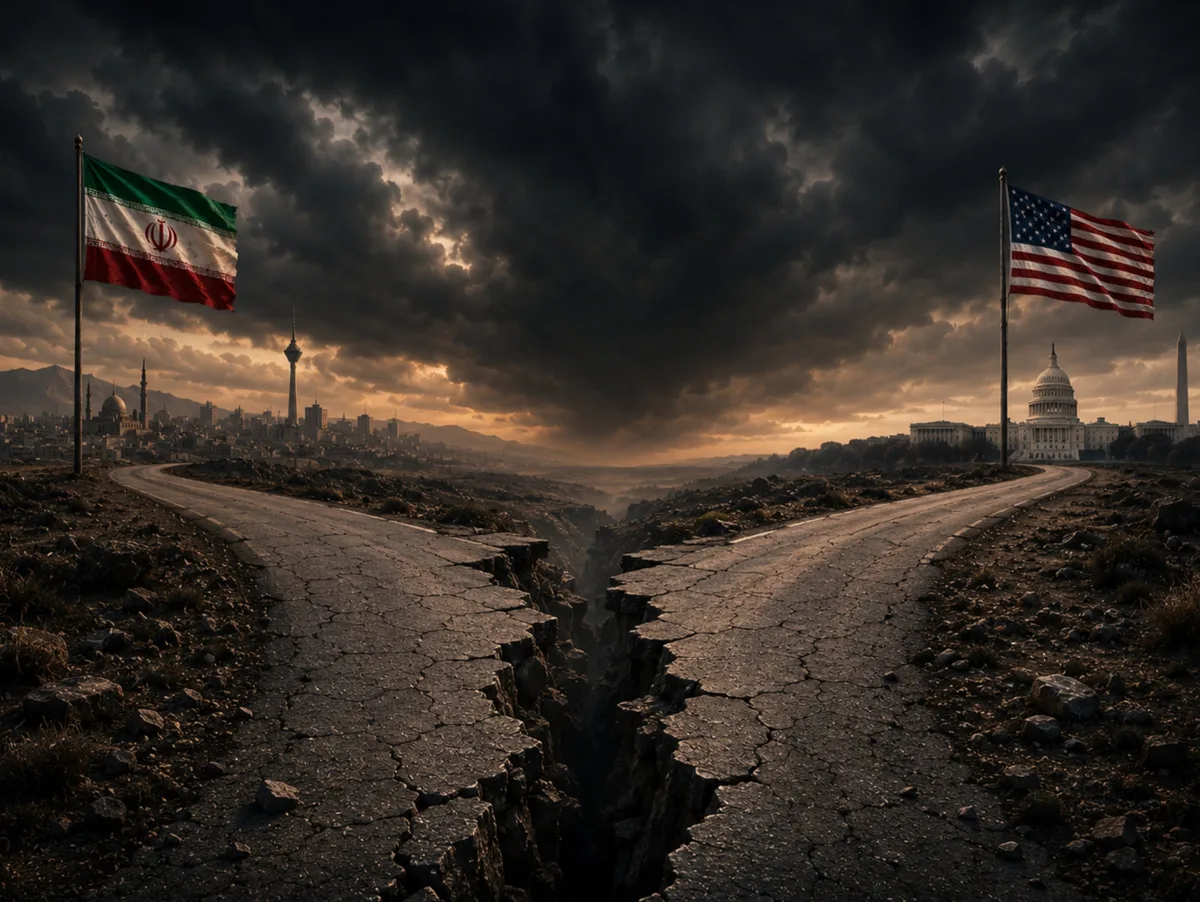
Iran's Parliamentary Speaker Mohammad Qalibaf is talking tough, and markets should pay attention. He's warning that Iran must always be ready to fight to protect its national interests — but in the same breath acknowledging that diplomacy and negotiation still have a role to play. Don't mistake that for softness. This is calculated dual-track posturing.
The Strait of Hormuz is the headline risk here. Qalibaf explicitly tied Iran's national security to maintaining strategic control over that chokepoint. Roughly 20% of global oil supply transits those waters. Any escalation there moves crude prices fast and hard — and he just handed the market a reminder of that leverage.
Read more Soft June CPI Gives Markets a Brief Reprieve, But Risks Loom →
Qalibaf also took a direct shot at the U.S., calling the relationship an "essential and existential conflict" with America seeking to "overthrow Iran's system." He added that Iran's armed forces retain full freedom of action against any aggression. That's not diplomatic language — that's a deterrent message wrapped in a press statement.
On the nuclear front, he dropped a pointed line: if Iran doesn't benefit from any memorandum of understanding, there's no reason to keep honoring it. That's a shot across the bow aimed squarely at ongoing nuclear talks. Walk-away language from a senior official isn't noise — it's a negotiating position designed to extract concessions.
Bottom line: Tehran is not moving toward compromise. It's using the threat of confrontation as leverage while leaving just enough diplomatic daylight to avoid outright collapse of talks. For traders, this means geopolitical risk premium in oil stays sticky. Watch Hormuz headlines closely. Continue reading at Forexlive.