Mid-2026 Market Outlook: Oil, Gold, and Copper Signals
An oil shock and Hormuz closure risk are reshaping inflation and Fed policy. Here's what traders need to watch.
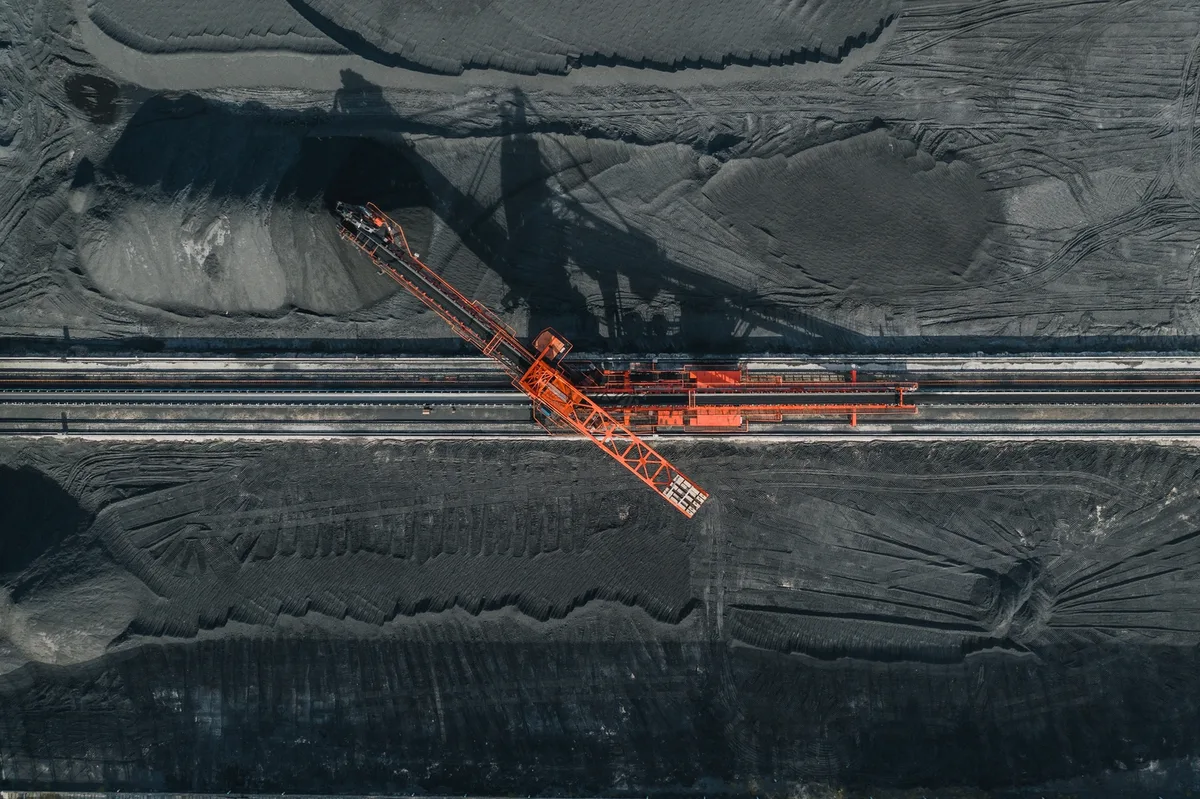
Oil is back in the driver's seat. A potential 2026 oil shock tied to Strait of Hormuz closure fears is rattling energy markets and forcing traders to rethink every inflation-sensitive position they hold. When the world's most critical shipping chokepoint comes into play, nothing trades in a vacuum.
Gold is the obvious winner in this environment. Inflation revival plus Fed policy uncertainty equals a classic flight-to-safety setup. If the Fed gets pushed into a corner — either defending growth or fighting prices — gold benefits either way. That's not a bad position to be in.
Read more Micron Stock: Why $1,750 Could Be the New Price Target →
Copper tells a different story. The industrial metal sits at the intersection of global growth expectations and supply chain stress. A genuine oil shock slows manufacturing activity, which weighs on copper demand. Watch copper as your real-time growth gauge — it won't lie to you.
The Fed is the wild card here. A Hormuz-driven oil spike is an external supply shock, not a demand-driven inflation surge. That makes the central bank's job brutally difficult. Hike to fight inflation and you crush growth. Hold rates and you risk inflation expectations becoming unanchored. Either path creates volatility you can trade.
Bottom line: oil, gold, and copper are your three screens right now. They're telling a coordinated story about risk, inflation, and growth that goes beyond any single asset class. Position accordingly and stay nimble. Continue reading at SeekingAlpha.