Prediction Markets Raise Insider Trading Flags at Major Firms
Goldman Sachs and peers are scrambling to update trading policies as prediction markets explode in popularity and insider risk mounts.
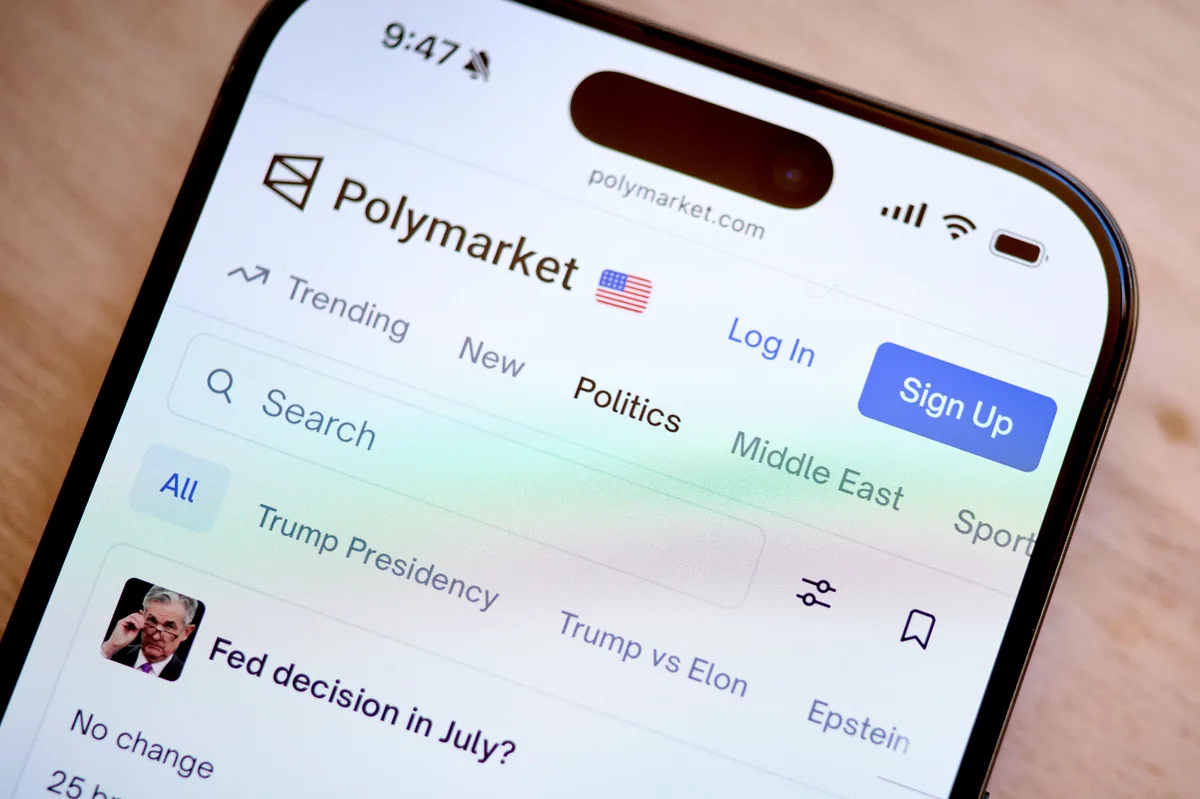
Prediction markets are booming — and Wall Street's compliance departments are sweating. These platforms let users bet real money on future events, from elections to economic data releases, and that creates a glaring problem: employees with inside knowledge could exploit what they know before the rest of the market does.
CNBC went straight to the source, pinging 50 major companies to ask one simple question — what are your trading rules for employees using prediction markets? The response was telling. Only a handful could even give an answer. That silence speaks volumes about how unprepared corporate America is for this new asset class.
Read more Renewable Energy Still Dominates New Grid Capacity in 2024 →
Goldman Sachs is among the firms that have started addressing the gap, though the broader industry is still catching up. Most companies built their insider trading policies in an era when the risks were stocks, bonds, and options — not event contracts on a prediction platform. Now those rulebooks look dangerously outdated.
For traders and investors, this is a flashing yellow light. Prediction markets are growing fast, but the regulatory and corporate guardrails are lagging badly behind. If insiders are placing informed bets without consequence, price signals on these platforms could be systematically distorted — which matters more as institutional money pays closer attention to prediction market data as a real-time sentiment gauge.
The bottom line: if you're using prediction markets to inform your trades, know that the integrity of those prices is still an open question. This story is just getting started. Continue reading at US Top News and Analysis.