Restaurant Brands vs. McDonald's: Who Wins on Revenue?
Two fast-food titans, one revenue race. Here's how RBI and McDonald's stack up for traders watching the sector.
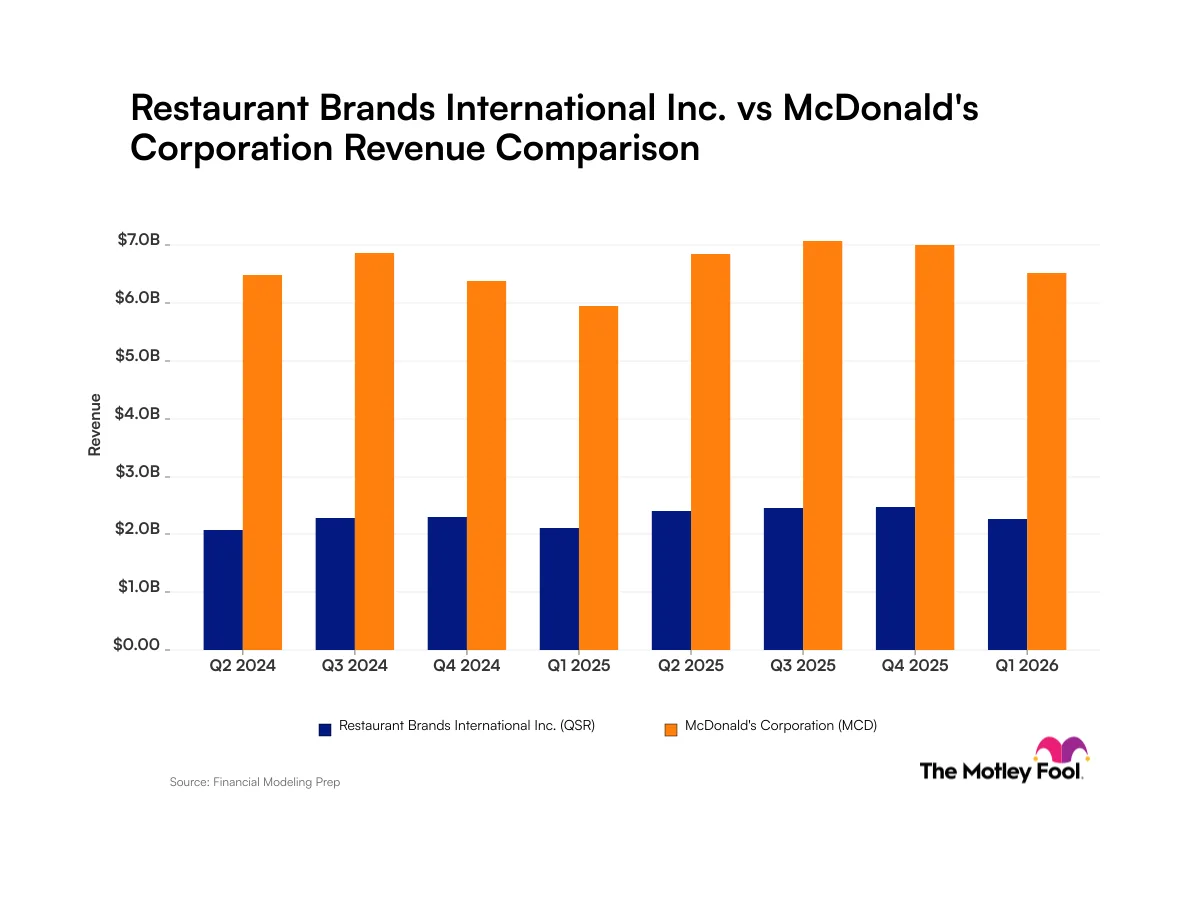
If you're trading fast food, you need to know which giant is actually growing. Restaurant Brands International — the parent of Burger King, Tim Hortons, and Popeyes — and McDonald's are the two heavyweights every consumer-sector investor watches. But size alone doesn't tell the story. Revenue trends do.
McDonald's has long been the gold standard in quick-service restaurants, posting consistent top-line performance backed by its asset-light franchise model. That model means royalties and fees flow in reliably, even when consumer spending gets choppy. When macro headwinds hit, McDonald's tends to hold up better than most — and that defensive quality is exactly why institutional money keeps parking there.
Read more Robinhood Layoffs Signal a Cooling Crypto Investment Market →
RBI is a different play. It's a roll-up story. Three brands under one roof means more levers to pull, but also more complexity. Burger King's U.S. turnaround has been a slow burn, while Tim Hortons and Popeyes carry different regional risk profiles. For traders, that complexity can mean bigger upside if the turnaround clicks — or more downside if one brand drags the others.
The tradeable angle here is divergence. If McDonald's comps are holding while RBI struggles to accelerate, the valuation gap between the two could widen — and that's a pair-trade setup worth watching. Conversely, any sign that RBI's refranchising push is gaining traction could close that gap fast. Keep your eyes on same-store sales figures and system-wide sales growth — those are the numbers that move these stocks.
Bottom line: McDonald's is the safer, steadier hand. RBI is the turnaround bet. Which one fits your risk tolerance right now? Continue reading at Yahoo Finance.