SK Hynix ADR Premium Could Fade Fast: What Traders Should Know
SK Hynix's U.S.-listed shares trade at a steep premium, but that gap may close if Korea permits mutual share conversion.
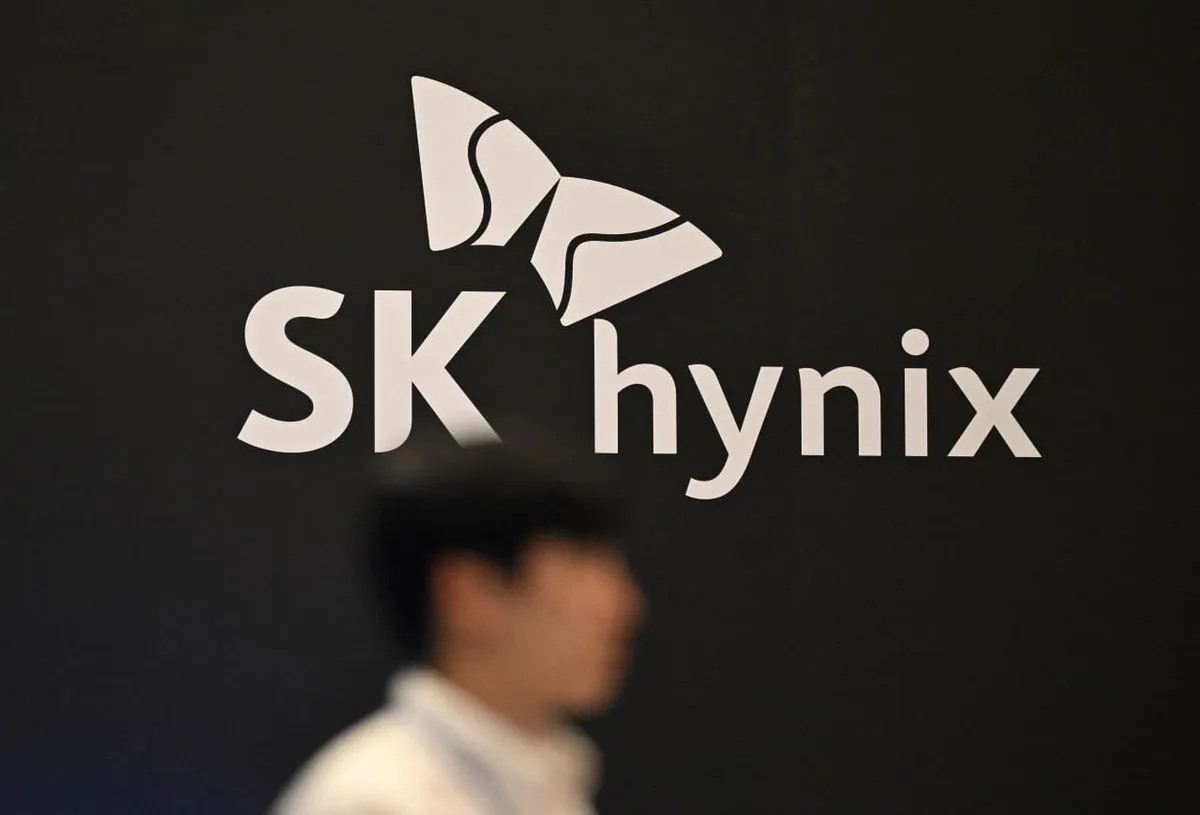
SK Hynix's American Depositary Receipts are commanding a hefty premium over the company's Seoul-listed shares right now, and if you're chasing that gap thinking it's free money, pump the brakes. The spread exists because U.S. investors are hungry for direct chip exposure and Korean market access isn't frictionless. But that dynamic could shift — and shift quickly.
The key risk is regulatory. If South Korea moves to allow mutual conversion between ADRs and locally listed shares, arbitrageurs will flood the trade and compress that premium almost immediately. That's the mechanical reality of how ADR premiums work: once the barrier to conversion drops, the price gap collapses. You don't want to be the last one holding an overpriced ADR when that door opens.
Read more Soft June CPI Gives Markets a Brief Reprieve, But Risks Loom →
For traders, the asymmetry here is uncomfortable. The upside on the premium is capped — it can't widen indefinitely without drawing arb capital — while the downside is a rapid snapback to parity. That's a bad risk-reward if you're buying the ADR specifically because it's running hot relative to the Korean shares.
Zoom out and the macro backdrop matters too. SK Hynix is a heavyweight in the memory chip space, and sentiment around AI-driven DRAM demand has been a legitimate tailwind for the stock on both sides of the Pacific. But paying a fat premium for the same underlying asset is a separate bet from being bullish on the business itself. Keep those two ideas distinct in your head before you hit the buy button.
Bottom line: the premium is real, the catalyst to kill it is identifiable, and the timeline is uncertain — that's a speculative setup, not an edge. Continue reading at MarketWatch.com