United Airlines Beats Earnings But Faces $6B Fuel Cost Hit
United topped estimates across ticket categories, but a massive $6 billion fuel cost surge looms as the airline's biggest near-term threat.
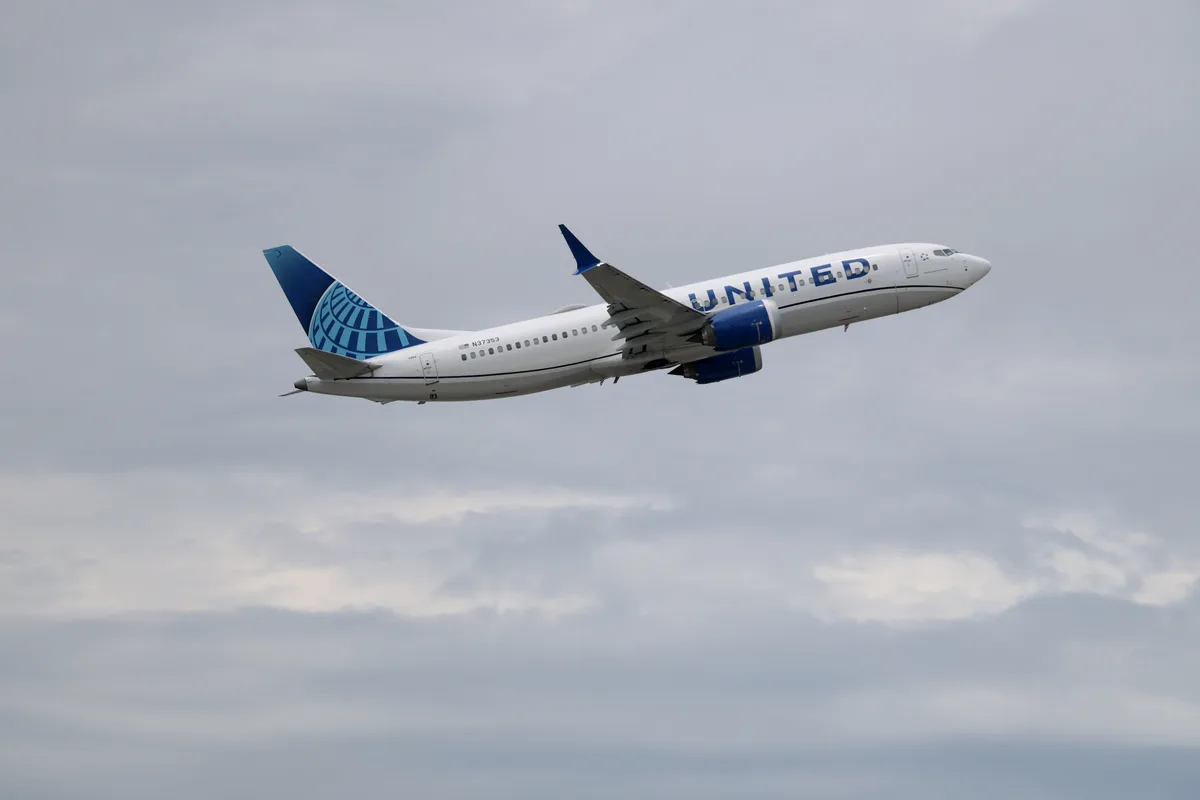
United Airlines just posted earnings that beat Wall Street's expectations, and the numbers across the board looked solid. Premium seats, corporate travel, and even basic economy no-frills fares all pulled in stronger revenue. Domestic routes held up. International routes held up. On the surface, this looks like a win.
But here's the number that should grab your attention: $6 billion in added fuel costs. That's not a rounding error — that's a structural headwind that can erode margins fast, no matter how well the airline fills its seats. Fuel is the wildcard that airline investors can never fully hedge away, and United is staring down a massive bill.
Read more Soft June CPI Gives Markets a Brief Reprieve, But Risks Loom →
What makes this report interesting is the breadth of the revenue strength. It wasn't just business travelers padding results — basic economy, the price-sensitive segment that competes directly with ultra-low-cost carriers, also contributed. That signals demand remains healthy across income brackets, which is a bullish read on the consumer.
Still, the $6 billion fuel cost projection is the story here. Airlines operate on razor-thin margins in the best of times. A cost spike of that magnitude forces a choice: absorb it and watch profits shrink, or pass it on to travelers and risk softening demand. Neither option is painless. Watch how management guides on ticket pricing in the coming quarters — that's your real signal.
Continue reading at US Top News and Analysis