United Airlines Faces Seat Strategy Dilemma on Boeing 737 Max 10
United ordered Max 10s expecting lie-flat premium seats, but certification delays have upended those cabin plans.
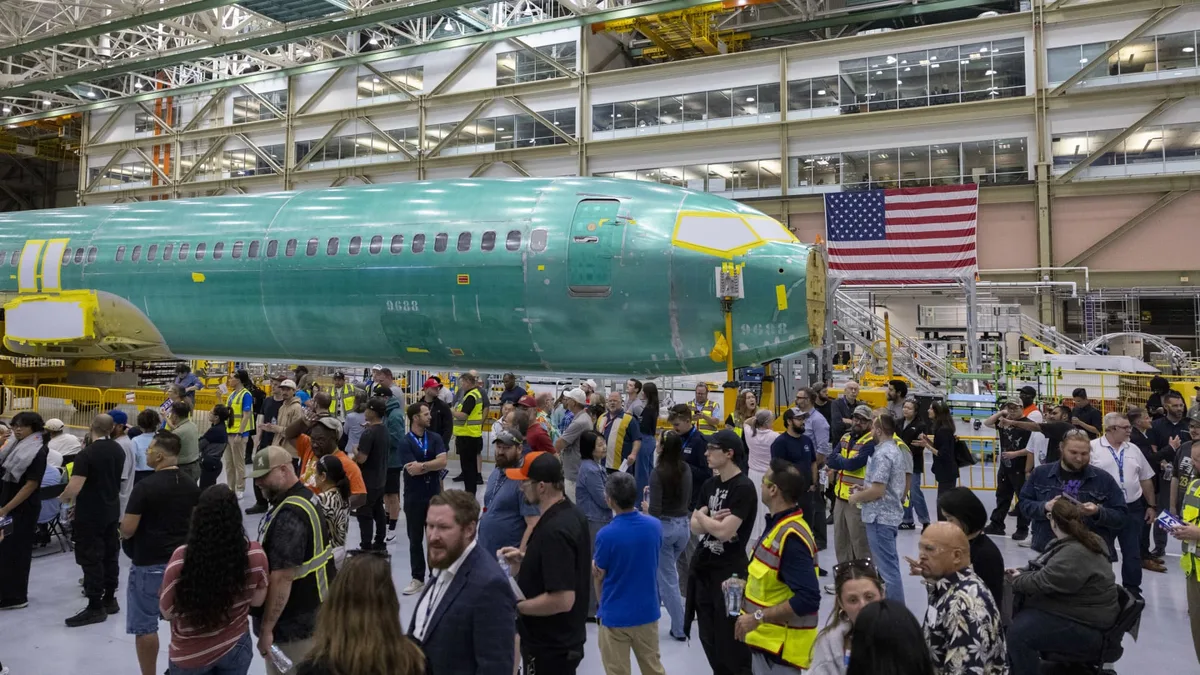
United Airlines is staring down a costly decision it didn't see coming years ago: what to do with the premium cabin configuration it planned for its Boeing 737 Max 10 fleet. The carrier had locked in lie-flat seats for those jets, betting the planes would be certified and flying by now. They aren't — and that delay is forcing a serious rethink.
This is exactly the kind of operational headache that quietly bleeds money. Premium seating is a margin game. Airlines charge a steep premium for lie-flat products, and United had clearly planned to compete hard in that space on narrowbody routes. Every month the Max 10 sits uncertified is a month those high-yield seats aren't generating revenue.
Read more United Airlines CEO Scott Kirby's Big Vision: Mergers, AI, JFK →
Boeing's ongoing certification struggles with the Max 10 have ripple effects that go well beyond the manufacturer's own balance sheet. Airlines like United built fleet strategies, route plans, and cabin product timelines around delivery schedules that have slipped repeatedly. Now United has to decide whether to stick with the original premium layout, pivot to a different configuration, or absorb the uncertainty and wait Boeing out.
For traders and investors watching UAL, this is a real variable. Premium cabin revenue has been one of the strongest levers for U.S. carriers coming out of the pandemic travel boom. Any delay or downgrade in that product rollout is worth watching. United's management will need to telegraph their next move clearly — and soon — to keep investor confidence intact on the fleet side.
Continue reading at CNBC