US and UK Push to Align Tokenized Finance Rules Globally
Washington and London are coordinating on crypto asset regulations to create unified standards across the world's biggest financial markets.
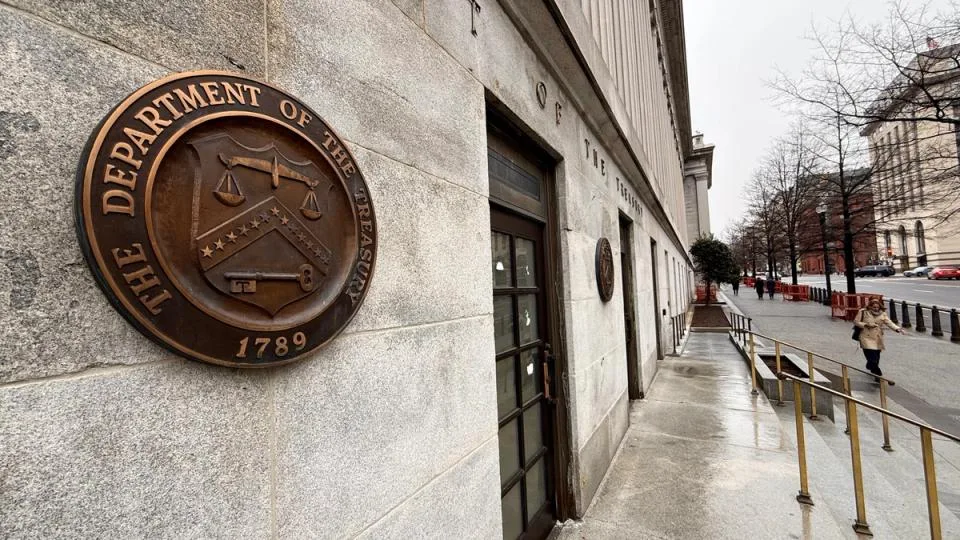
The United States and the United Kingdom are making a coordinated push to align their regulatory frameworks for tokenized finance, a move that could reshape how digital assets are treated across the globe's two most influential financial markets. This isn't just bureaucratic housekeeping — it's a signal that both governments are taking blockchain-based finance seriously as an institutional force.
Tokenized finance refers to the process of representing real-world assets — think bonds, equities, or real estate — as digital tokens on a blockchain. The market for these instruments has been growing fast, and without clear, compatible rules across borders, institutions have been hesitant to go all-in. A US-UK alignment could be the regulatory green light that unlocks serious capital flows.
Read more KeyBanc Downgrades Apple Stock, Cites Slower Growth Risk →
For traders, this is the kind of macro-level development that doesn't move prices today but absolutely shapes the landscape six to twelve months out. When two of the world's largest financial regulators start speaking the same language on tokenization, it reduces the compliance risk that's been keeping big money on the sidelines. Watch the tokenization-adjacent plays — asset managers, blockchain infrastructure names, and custody solutions.
The coordination also carries geopolitical weight. By moving together, Washington and London could effectively set the global standard, pressuring other jurisdictions to follow their lead rather than fragment the market with competing rule sets. That's a bullish structural development for the tokenized asset space broadly.
This is a slow-burn catalyst, not a day-trade setup. But if you're building a position in tokenized asset infrastructure or RWA-focused protocols, this regulatory alignment is exactly the kind of foundational news that validates the thesis. Continue reading at CoinDesk.