USMCA Uncertainty Rattles US Auto Industry Outlook
Without a USMCA extension, automakers face mounting risk over rules of origin that determine tariff eligibility on cross-border vehicles.
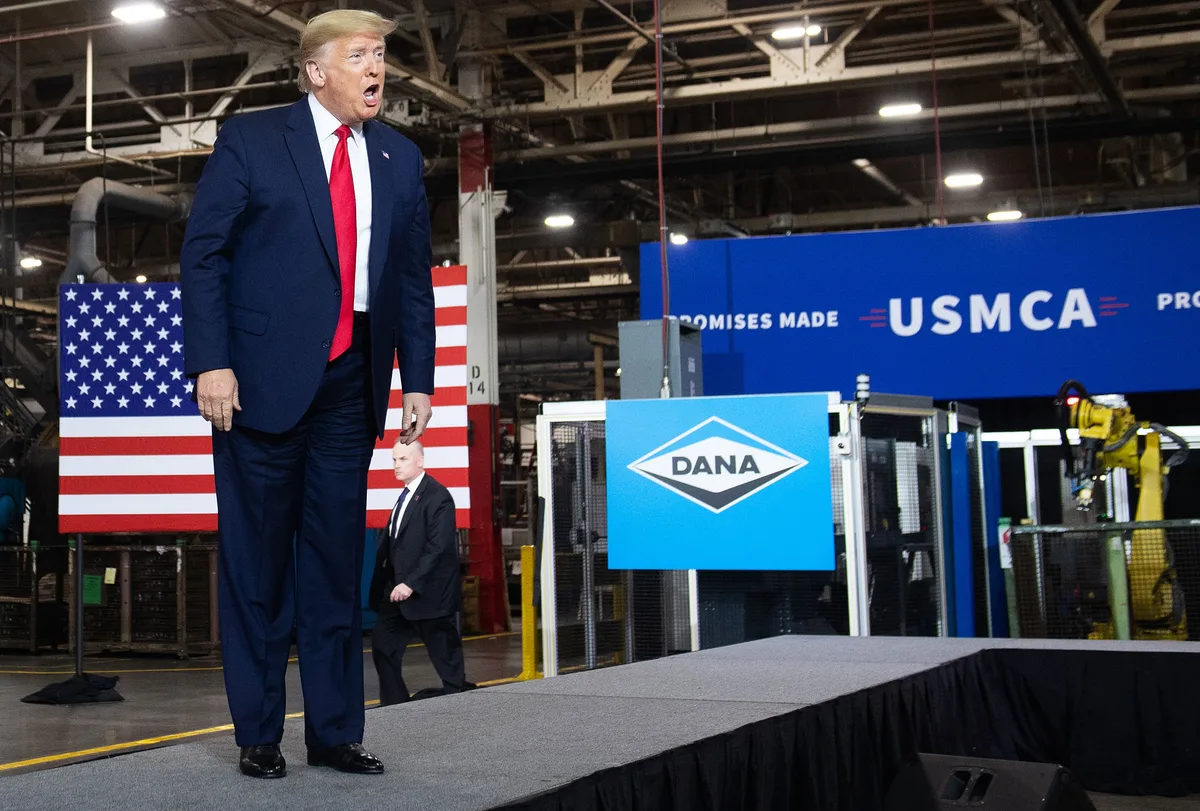
The clock is ticking for the US auto industry, and the stakes couldn't be higher. The future of the USMCA trade deal is up in the air, and if an extension doesn't materialize, every automaker operating across North American borders is staring down serious risk. This isn't abstract policy noise — it hits production costs, supply chains, and ultimately, the price you pay for a new car.
At the center of the storm are rules of origin. These rules decide where a product is considered to come from and, critically, which goods qualify for preferential tariff treatment under the agreement. For automakers who have spent years engineering sprawling cross-border supply chains to meet USMCA thresholds, any disruption to those rules is a direct hit to margins.
Read more Cal Water Closes Palm Mutual Acquisition in Bakersfield →
Without clarity on an extension, manufacturers face a brutal choice: absorb potential new costs or restructure supply chains that took years and billions of dollars to build. Neither option is cheap. Neither is quick. And in an industry already navigating EV transitions and softening consumer demand, this is the last fight automakers wanted to pick.
The uncertainty itself is the problem right now. Companies don't invest or commit to long-term production plans when the trade rulebook could flip. Suppliers feel it first — then the assembly lines, then the dealerships. Traders watching auto sector equities should treat this as an ongoing headline risk with no clean resolution date in sight.
Continue reading at US Top News and Analysis