Why Stocks and the Economy Look Completely Out of Step
AI euphoria has sent markets soaring while the real economy stays sluggish. Here's why that disconnect matters to you.
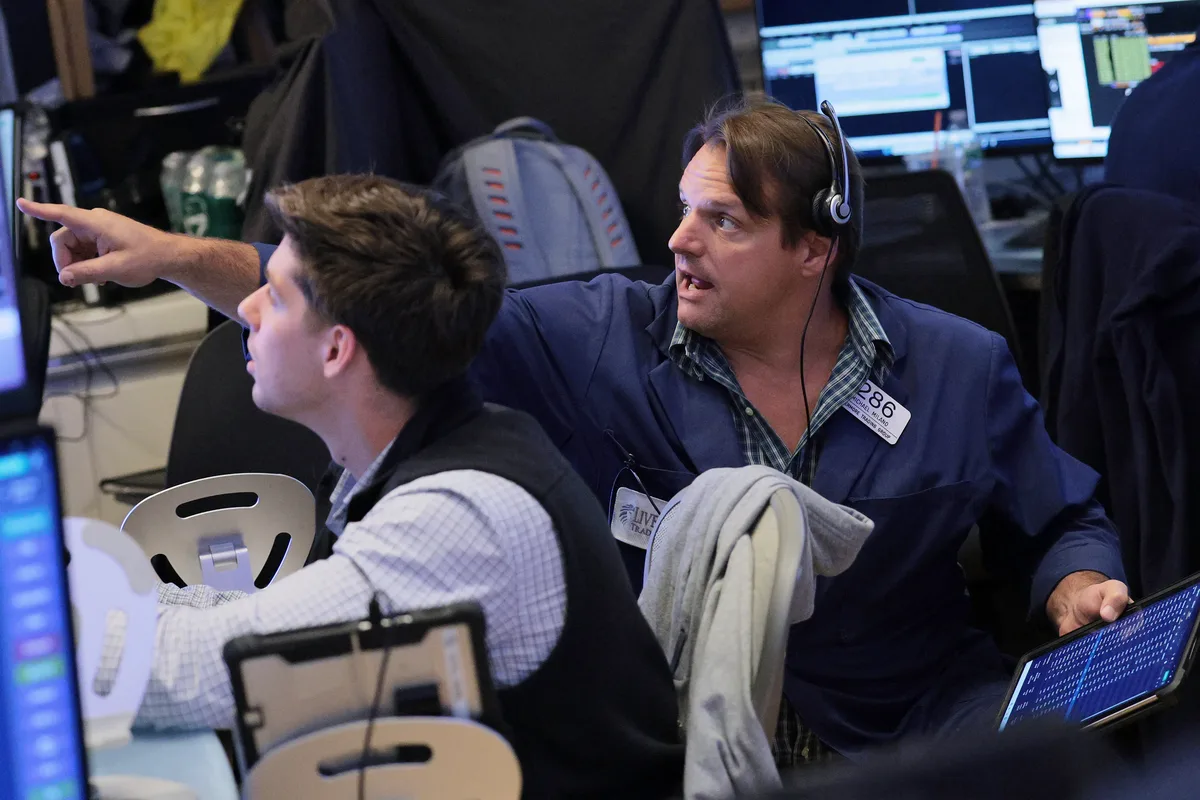
You've probably noticed it. Your portfolio is ripping higher, but your grocery bill is still brutal and your neighbor just got laid off. The stock market and the broader U.S. economy are telling two very different stories right now — and economists say that gap is real.
The culprit driving stocks skyward is AI euphoria. Mega-cap tech names riding the artificial intelligence wave have pulled major indexes to lofty levels, creating a market narrative that feels detached from Main Street reality. When a handful of trillion-dollar companies dominate index weights, the headline number can mask a lot of pain underneath.
Read more IP Group Plc Insider Disclosure: Form 8.3 Filing Explained →
Meanwhile, the actual economy has been moving on a far more modest trajectory. Economists describe the macro backdrop as tepid — not collapsing, but nowhere near the kind of broad-based strength that stock prices might imply. Consumer stress, uneven job markets, and stubborn costs don't show up in a Nasdaq print.
For traders, this divergence is the whole ballgame. Markets are forward-looking and pricing in an AI-driven productivity boom that may or may not materialize at the scale bulls expect. If that payoff gets delayed — or the Fed keeps pressure on — the gap between stock valuations and economic fundamentals becomes a serious vulnerability. Know what you own and why.
Continue reading at US Top News and Analysis