Why Traders Fear Strait of Malacca Could Be Next Oil Chokepoint
Hormuz transit fee fears are spreading. Traders now eye the Strait of Malacca as the next potential toll flashpoint for global oil flows.
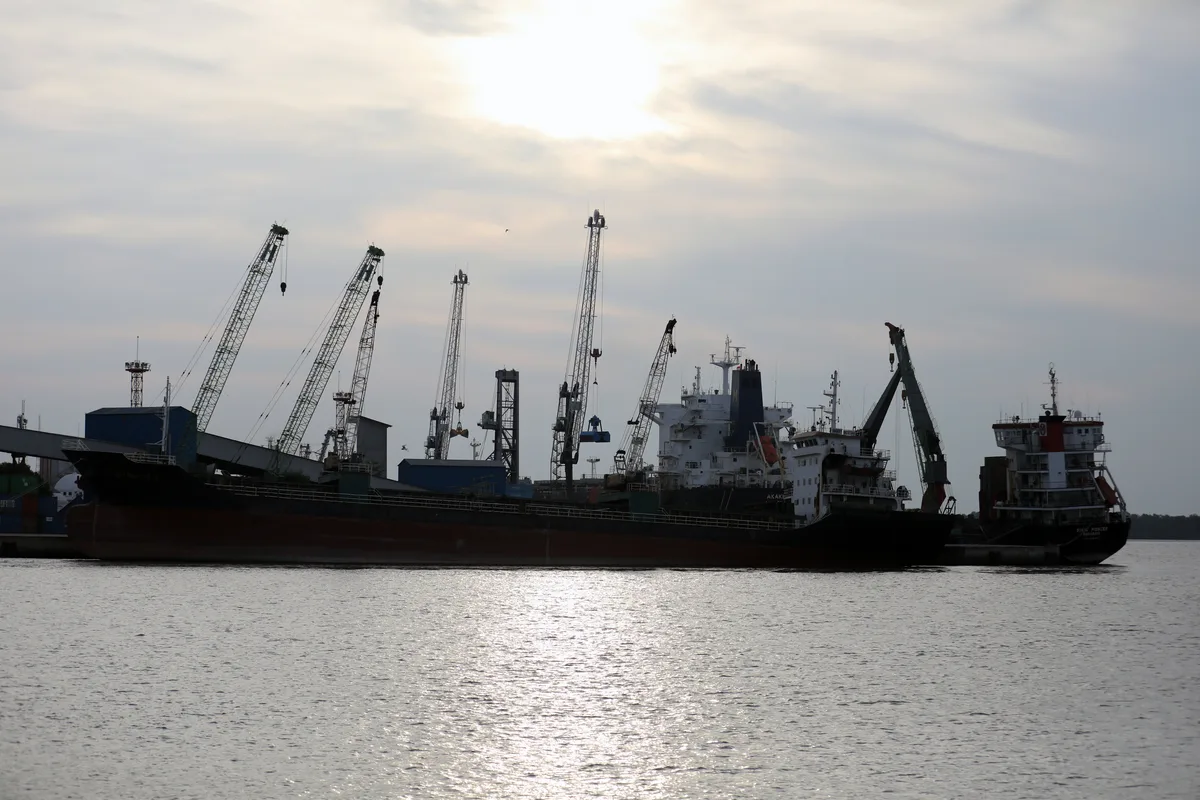
If you're trading oil right now, you already know the Strait of Hormuz toll threat rattled markets hard. But here's the real risk hiding in plain sight: the Strait of Malacca. Investors are openly worried the toll playbook could jump to other critical maritime corridors — and Malacca is the most obvious next target.
The logic is straightforward. Once one nation floats the idea of charging ships to pass through a strategic waterway, every other country sitting astride a chokepoint takes notice. The Hormuz threat didn't just spook tanker operators — it handed a potential template to anyone controlling a narrow stretch of sea that global trade can't easily bypass.
Read more Caesars Stock Jumps on Icahn Rival Bid Financing Report →
Malacca matters enormously. The strait connecting the Indian Ocean to the South China Sea handles a massive share of global energy shipments, particularly crude headed to China, Japan, and South Korea. Any disruption or new cost imposed there would ripple instantly through Asian energy markets and beyond. You can't reroute that volume quickly — the alternative shipping lanes add days and significant cost.
For retail oil traders, this is the kind of geopolitical risk that doesn't show up in weekly inventory data but can blow up a position overnight. The fear isn't necessarily that a Malacca toll happens tomorrow — it's that the market now has to price in a possibility it previously dismissed entirely. That's a structural shift in how you model tail risk on any energy trade.
Watch how tanker stocks and oil futures respond to any fresh headline out of Southeast Asia or the Persian Gulf. The Hormuz scare already proved that transit fee speculation moves prices fast. The Malacca angle means that sensitivity isn't going away anytime soon. Continue reading at US Top News and Analysis.