Europe's Crypto Rules Are Live — Now Comes the Hard Part
The EU set the global standard for crypto regulation. Executing that vision is a different challenge entirely.
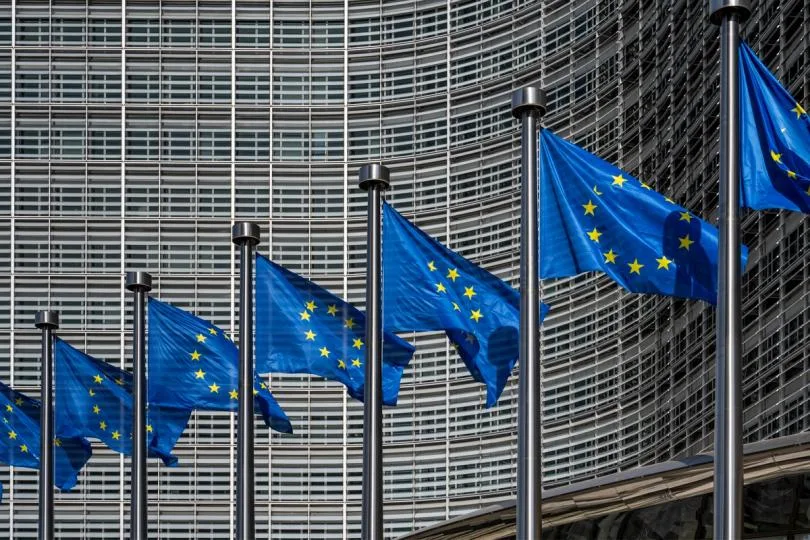
Europe wrote the crypto rulebook. MiCA — the Markets in Crypto-Assets regulation — handed the EU a first-mover advantage that no other major economy has matched. Regulators in Washington are still arguing over who's in charge, while Brussels already stamped its framework into law. That's a win on paper. But winning on paper and winning in practice are two very different games.
The real test now is enforcement. A regulation that sits on the shelf doesn't protect investors or build market trust — it just adds compliance costs for the firms trying to do things right. Europe's national regulators need to move in lockstep, because MiCA's passport system only works if every member state plays by the same rules. One weak link and regulatory arbitrage creeps back in through the side door.
Read more Macron Set to Visit Syria in Rare High-Level Diplomatic Move →
For traders and crypto businesses, the opportunity here is real but conditional. Clear rules mean institutional money can finally enter without legal risk hanging over every trade. That's bullish for legitimate projects and bearish for anything operating in the gray zone. If you're holding tokens issued by firms that haven't sorted out their MiCA compliance, pay attention — the clock is ticking.
The broader geopolitical angle matters too. If Europe actually executes, it becomes the default jurisdiction for compliant crypto operations globally. That's enormous regulatory soft power. The U.S. and Asia will have to respond, whether by matching the standard or by explicitly positioning themselves as the alternative. Either way, MiCA just raised the stakes for every market participant on the planet.
Continue reading at CoinDesk