Three Reasons Kevin Warsh May Hold Rates Steady This Week
The Fed's July meeting puts new chair Kevin Warsh in the spotlight as energy shocks, AI costs, and Trump pressure cloud the rate path.
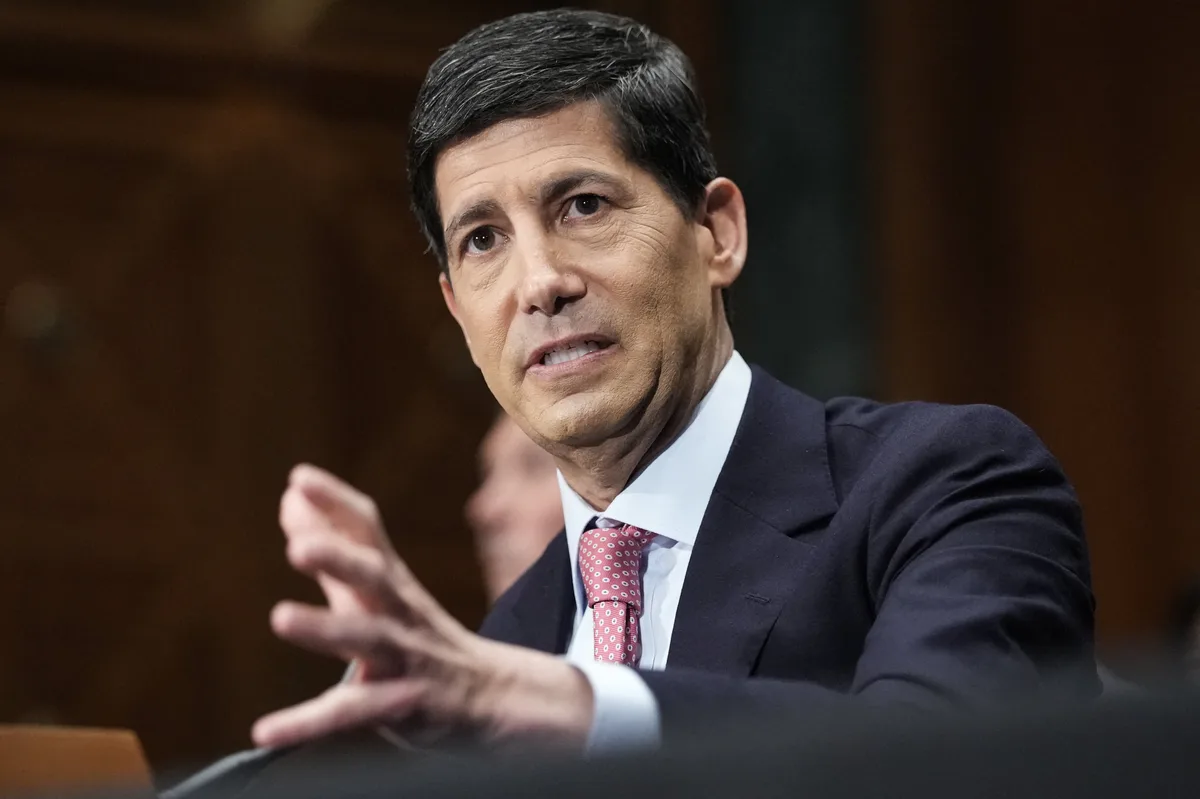
Kevin Warsh steps into his first major test as Fed chair this week, and the smart money says he's not moving rates. Three forces are pushing him toward a hold, and understanding them gives you a real trading edge before Wednesday's decision drops.
First, energy shocks are back in the mix. Oil volatility has a nasty habit of distorting headline inflation without telling you much about where the economy is actually heading. Warsh knows that reacting too fast to an energy spike can crater growth and look foolish six months later. That's reason one to sit tight.
Read more Why the Housing Market Is Struggling Hard This Summer →
Second, AI-driven price pressure is a genuinely new animal. The productivity gains from artificial intelligence are hitting supply chains in ways that traditional Fed models weren't built to handle. Whether that pressure is inflationary or disinflationary in the medium term is still an open question — and Warsh isn't going to hike into a debate he can't yet win.
Third, and most politically charged, is the shadow of Donald Trump. The former and current president has made no secret of his desire for lower rates, and Warsh is navigating real institutional pressure. Hiking now invites an all-out war with the White House. Holding buys time and preserves the Fed's credibility as a neutral actor — at least for another meeting cycle.
What you're watching for Wednesday isn't just the decision itself but the tone of the statement and the press conference. Warsh's language around these three factors will tell you more about the rate trajectory for the rest of the year than any single data print. Position accordingly. Continue reading at US Top News and Analysis.