Union Pacific Turned Iran War Fuel Surcharges Into Profit
Union Pacific collected fuel surcharges tied to Iran war fears but pocketed the excess as profit instead of covering actual costs.
Union Pacific didn't just break even on its Iran-related fuel surcharges — it made money on them. According to Reuters, the railroad giant collected charges designed to offset a potential fuel cost spike driven by Middle East war fears, then turned that revenue into profit rather than simply recovering expenses. That's a significant gap between what the surcharges were sold as and what they actually delivered.
Fuel surcharges are supposed to be a pass-through mechanism. Shippers pay extra when energy prices surge, and the railroad covers its higher operating costs. The whole system depends on trust that those fees track real expenses. When a carrier pockets the difference, it flips the model into something closer to an opportunistic revenue grab.
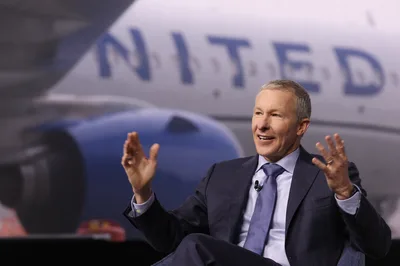
Read more United Airlines CEO Scott Kirby's Big Vision: Mergers, AI, JFK →
For traders and investors watching rail stocks, this is the kind of margin story that cuts both ways. On one hand, Union Pacific demonstrated pricing power and operational discipline that juiced earnings. On the other hand, regulatory and reputational risk could follow. Shippers don't forget when they feel gouged, and regulators have historically scrutinized railroad surcharge practices.
Union Pacific is one of the most closely watched names in the transportation sector — a bellwether for industrial demand and supply chain health. Any scrutiny of its surcharge accounting could ripple into broader conversations about freight pricing transparency across Class I railroads. Watch how management addresses this on the next earnings call.
Continue reading at Reuters.