Why the Japanese Yen Could Trigger Your Next Stock Loss
The yen and U.S. stocks are more connected than most investors realize, and a potential currency intervention could shake your portfolio.
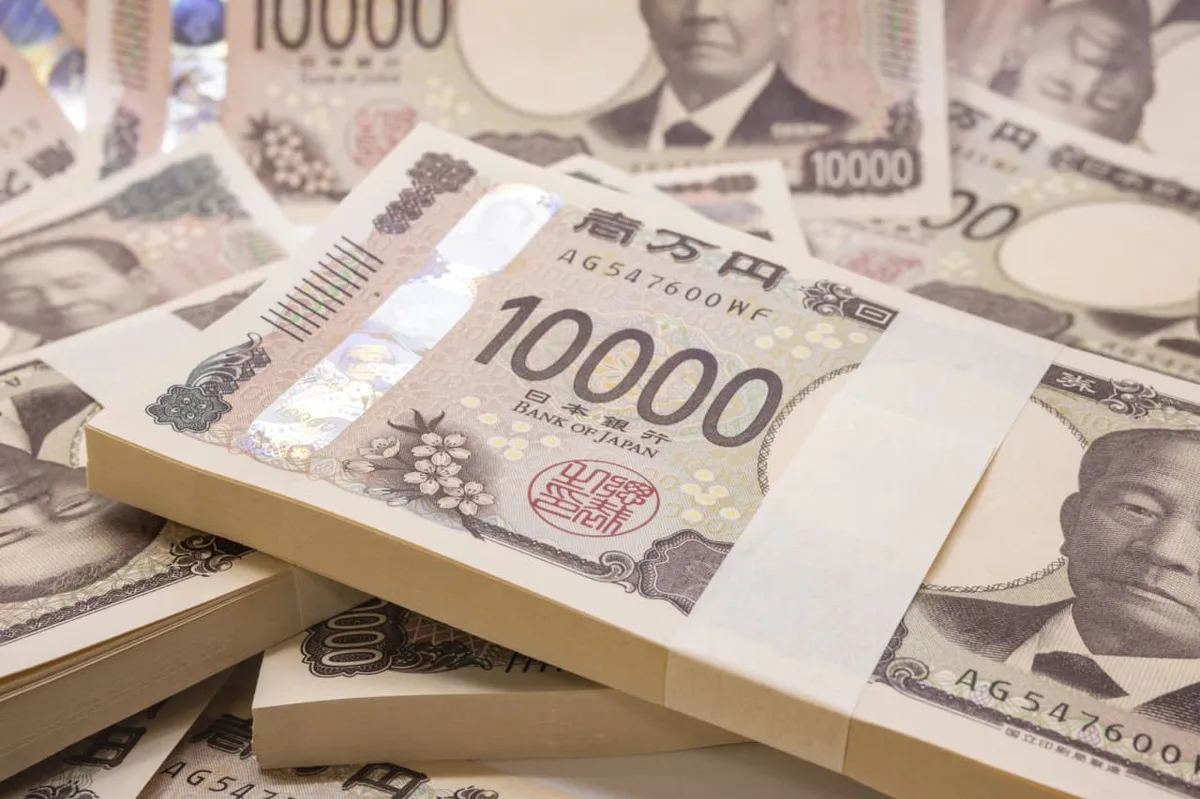
You probably don't think about the Japanese yen when you check your brokerage app. You should. The yen has quietly become one of the most important levers in global markets, and when it moves sharply, U.S. stocks tend to feel it fast.
Here's the core issue: when the yen is weak, Japanese investors borrow cheaply in yen and park that money in higher-yielding assets — including U.S. equities. That's the carry trade. It's enormous, it's deeply embedded in global capital flows, and it's fragile. When the yen suddenly strengthens, those trades unwind in a hurry. Investors sell U.S. stocks to cover their positions, and prices drop — sometimes hard and fast.
Read more KeyBanc Downgrades Apple Stock, Cites Slower Growth Risk →
The warning sign flashing right now is the possibility of intervention. Japan's government has a history of stepping into currency markets to defend the yen when it gets too weak. If officials decide the yen has fallen too far, they can buy yen aggressively, triggering exactly the kind of rapid strengthening that forces carry-trade unwinds. That's the scenario that should be on every trader's radar.
This isn't a theoretical risk. Markets saw a preview of this dynamic play out when yen volatility spiked and U.S. tech stocks sold off sharply in tandem. The correlation is real and it's actionable. If you're holding a heavy equity position and ignoring currency signals, you're trading with a blind spot the size of the Pacific.
Watch USD/JPY closely. If the yen starts ripping stronger without warning, treat it as an early alert for potential equity turbulence. Hedging, trimming high-beta positions, or simply staying informed could make the difference between riding out the storm and getting caught in the unwind. Continue reading at MarketWatch.com