US Economy Grew Just 1.5% in Q2 as Inflation Holds at 3.3%
GDP missed forecasts in Q2 while core inflation stayed sticky at 3.3%, driven by weak federal spending and inventory drawdowns.
The US economy hit the brakes in Q2, clocking a 1.5% growth rate that fell short of what Wall Street was penciling in. Before you panic-sell everything, dig into the details — this miss wasn't some broad economic collapse. Two culprits did most of the damage: a drop in federal government spending and a pullback in inventories.
Inventory swings are notoriously noisy. Businesses drawing down stockpiles drags on headline GDP but says almost nothing about where demand is actually headed. Same story with federal outlays — that's a Washington budget fight, not a signal that consumers tapped out. Strip those two out, and the underlying picture looks a lot less grim.
Read more US Economy Slows to 1.5% in Q2 as GDP Misses Estimates →
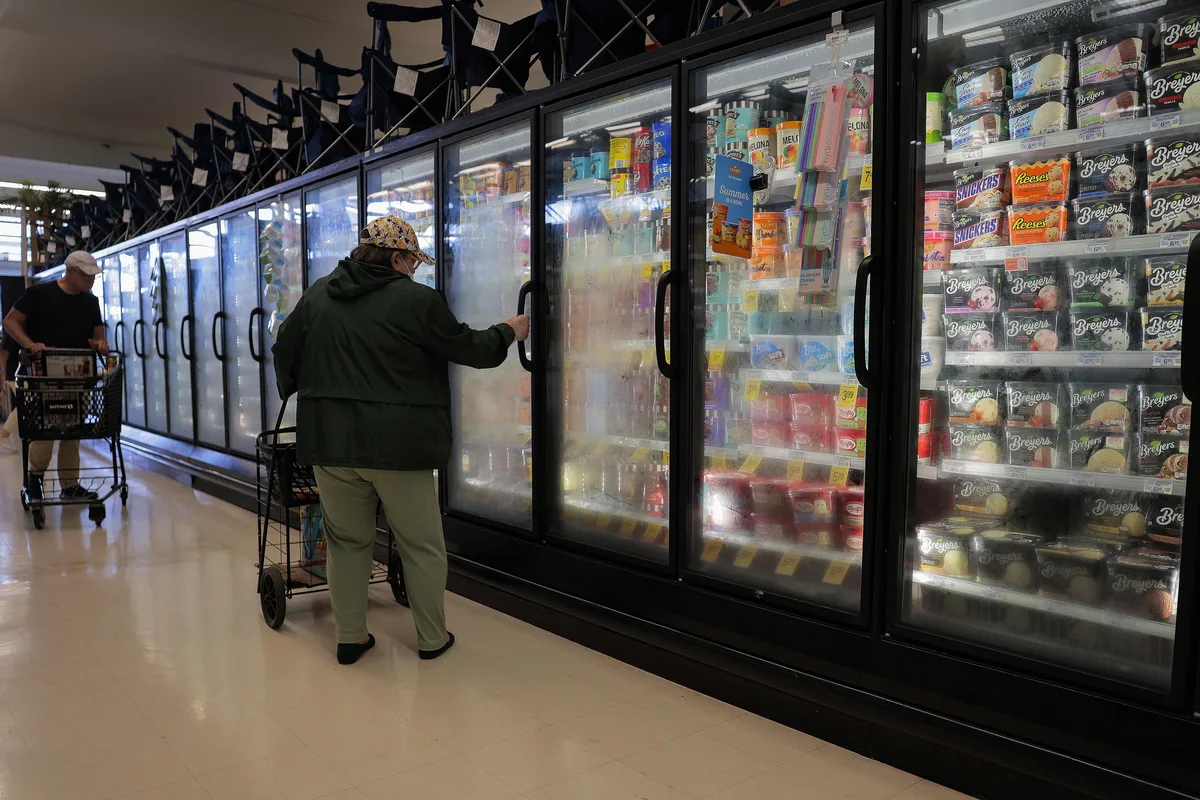
Here's the number that actually matters for your trades: core inflation at 3.3% in June. That's the figure the Fed is laser-focused on, and 3.3% is still way above the 2% target. If you were betting on aggressive rate cuts this year, this print just pushed that timeline further out. The Fed has zero reason to pivot fast when price pressures are sitting this high.
The combo of sluggish growth and stubborn inflation is the definition of a stagflation-lite environment. It's the worst of both worlds for policymakers — cut too soon and inflation re-accelerates, wait too long and growth craters further. Traders need to stay nimble. Rate-sensitive plays like utilities and real estate could stay under pressure, while commodity names tied to persistent inflation might find a bid.
Bottom line: don't sleep on that core inflation number. GDP softness driven by inventories and government is forgivable. Inflation stuck at 3.3% is not. Continue reading at US Top News and Analysis.