US Economy Slows to 1.5% in Q2 as GDP Misses Estimates
Q2 GDP came in at 1.5%, missing forecasts, while June core inflation held at 3.3%. Here's what it means for traders.
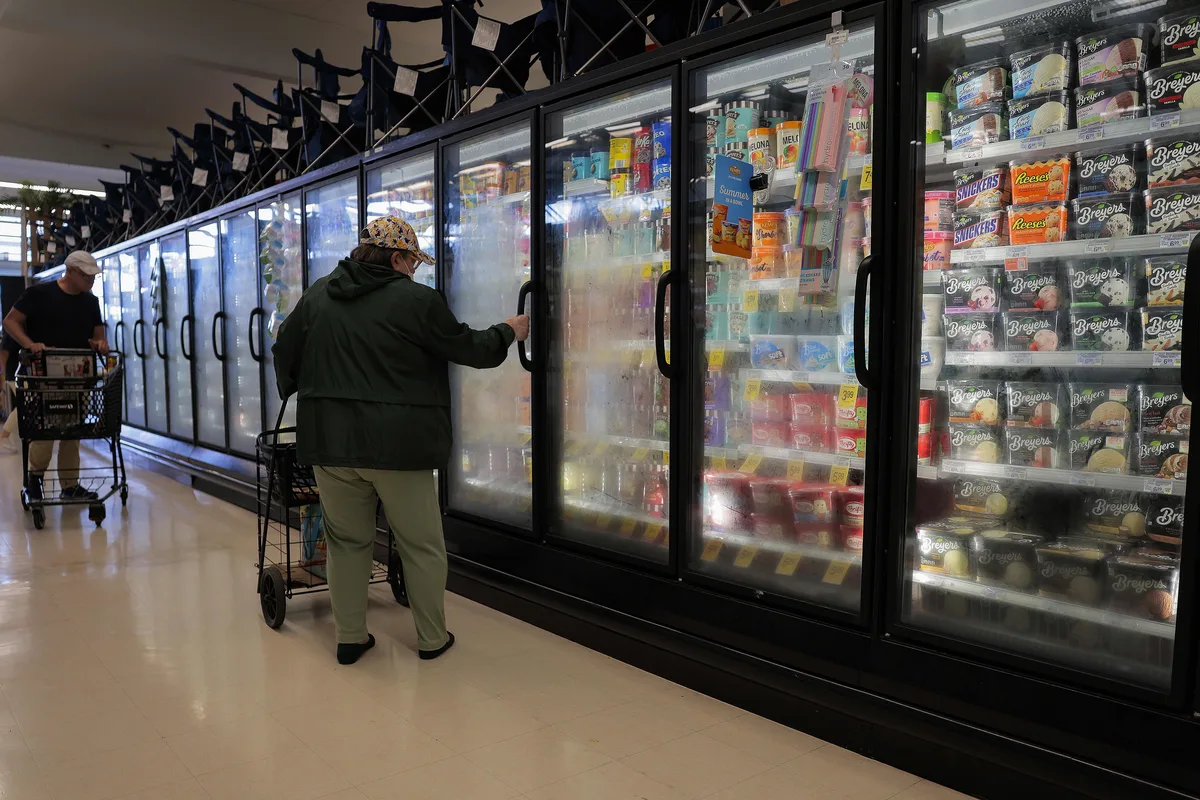
The US economy downshifted in the second quarter, posting a 1.5% growth rate that fell short of Wall Street expectations. Before you panic, though, dig into the details — the miss wasn't driven by consumer weakness or a cratering labor market.
The culprits behind the softer print were federal government spending pullbacks and a drawdown in inventories. Both of those are noisy, volatile components that economists routinely strip out when gauging the economy's true momentum. Consumer demand, the engine that actually matters, didn't flash red here.
Read more US Economy Grew Just 1.5% in Q2 as Inflation Holds at 3.3% →
Meanwhile, June core inflation clocked in at 3.3%. That's still well above the Fed's 2% target, which means rate-cut hopes shouldn't run too hot. The inflation data gives the Federal Reserve cover to stay patient — and potentially keep rates higher for longer than the market wants to believe.
For traders, this is a classic mixed-signal print. Slower growth plus sticky inflation is the stagflation whisper nobody wants to hear out loud. Watch how the Fed interprets the composition of that GDP miss — if they see it as noise, the market gets relief. If they focus on the inflation side, expect rate-sensitive trades to feel the heat.
Continue reading at US Top News and Analysis